
Table des matières
Les fournisseurs de services informatiques modernes sont en pleine transition : les clients transfèrent rapidement leurs charges de travail vers le cloud, en particulier vers Azure Virtual Desktop (AVD). Mais alors que l'infrastructure a évolué, les outils de gestion, eux, sont souvent restés au point mort. C'est dans cet écart que naissent les inefficacités, les risques et la complexité opérationnelle.
La vérité sur les outils “ suffisamment bons ”
Pendant des années, des outils comme Microsoft SCCM, Microsoft Deployment Toolkit et Baramundi Management Suite ont constitué l'épine dorsale de la gestion des terminaux et des systèmes. Ils étaient fiables. Familier. Éprouvé.
Mais ils ont aussi été construits pour une époque différente :
- Infrastructure sur site
- Environnements statiques
- Opérations mono-locataire
Plongeons dans la réalité d'aujourd'hui :
- Environnements Azure multi-locataires
- Infrastructure élastique
- Cycles de déploiement rapides
- Points de terminaison distribués
Les outils hérités n'ont pas été conçus pour cela.
Où les outils hérités échouent dans les environnements AVD
Lorsque les MSP tentent d'étendre les outils traditionnels à AVD, plusieurs points de friction apparaissent :
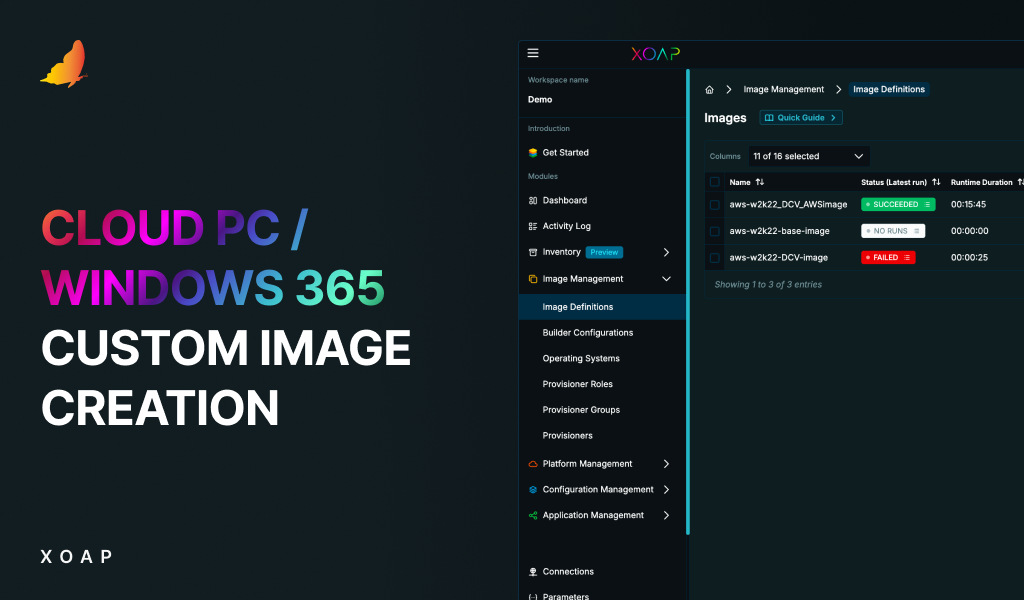
1. La gestion des images devient lente et fragile
La création d'images de référence est encore largement manuelle et prend beaucoup de temps., souvent prenant des jours, et difficile à standardiser entre les locataires. En conséquence, les environnements sont sujets à la dérive, aux incohérences et aux reconstructions fréquentes.
2. L'empaquetage des applications manque de cohérence
Même avec des frameworks tels que PSAppDeployToolkit, le packaging des applications varie souvent d'une équipe à l'autre, les méthodes de déploiement diffèrent selon les environnements et la réutilisabilité reste limitée, ce qui entraîne une duplication des efforts et des taux d'échec plus élevés.
3. Pas de visibilité unifiée entre les locataires
Les MSP opèrent fréquemment sur plusieurs tableaux de bord, gèrent des connexions locataire distinctes et s'appuient sur des outils de reporting incohérents pour surveiller leurs environnements. Cette approche fragmentée entraîne l'absence d'une source unique de vérité, ralentit les processus de dépannage et réduit la confiance dans le respect constant des SLA.
4. La prolifération des outils augmente les coûts opérationnels
Au lieu de travailler à partir d'une plateforme unique, les équipes s'appuient souvent sur une combinaison de SCCM pour la gestion des appareils, de scripts personnalisés pour l'automatisation, d'outils natifs d'Azure pour les opérations cloud et de diverses solutions tierces pour la surveillance. Cette chaîne d'outils fragmentée augmente les coûts de formation, crée des silos de spécialistes et augmente le risque de mauvaise configuration entre les environnements.
Ce à quoi devrait ressembler la gestion moderne des AVD
Pour fonctionner efficacement à grande échelle, les MSP ont besoin d'une approche orientée cloud et consciente du multi-locataire. Cela signifie :
Gestion automatisée du cycle de vie des images
- Images versionnées
- Constructions reproductibles
- Mises à jour rapides entre les environnements
Livraison d'applications standardisée
- Une méthode d'emballage
- Compatibilité multiplateforme
- Logique de déploiement centralisée
Configuration centralisée et visibilité
- Tableaux de bord unifiés
- Informations inter-locataires
- Suivi de conformité en temps réel
Consolidation de plateforme
- Moins d'outils
- Moins de changement de contexte
- Réduction des frais d'exploitation
Comment XOAP permet une approche unifiée
C'est exactement le vide que XOAP est conçu pour combler, sans obliger les MSP à abandonner ce qui fonctionne déjà. Au lieu de cela, il connecte et standardise dans tous les environnements.
1. Image Management : Du manuel à l'automatisé
XOAP permet :
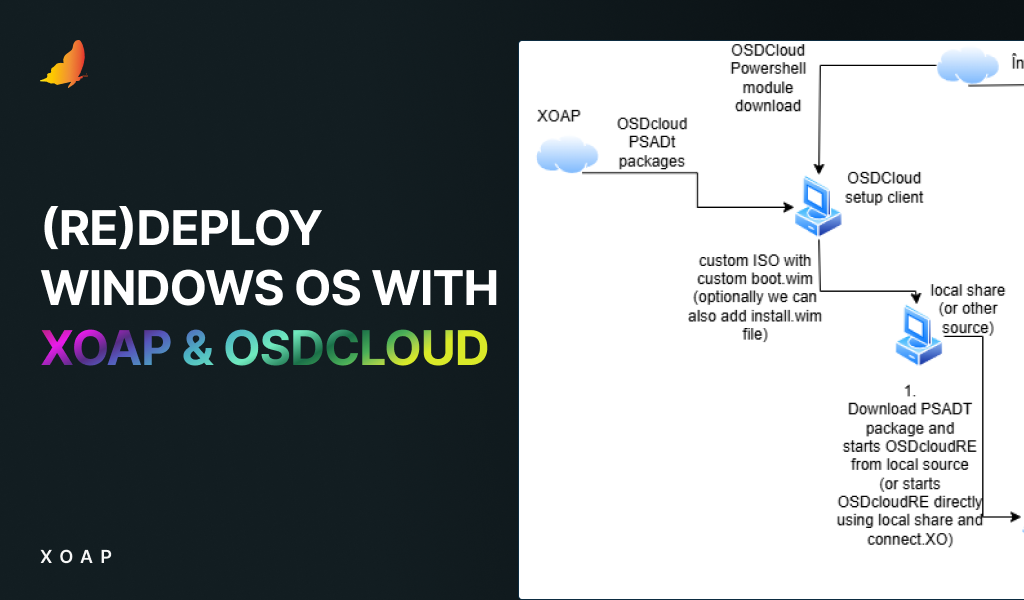
- Création automatisée d'images pour AVD, Azure, VMware et plus encore
- Images standardisées et versionnées
- Gestion continue du cycle de vie
Fini de reconstruire les images à partir de zéro ou de suivre les modifications non documentées.
2. Application Management : S'appuie sur ce en quoi les équipes ont déjà confiance
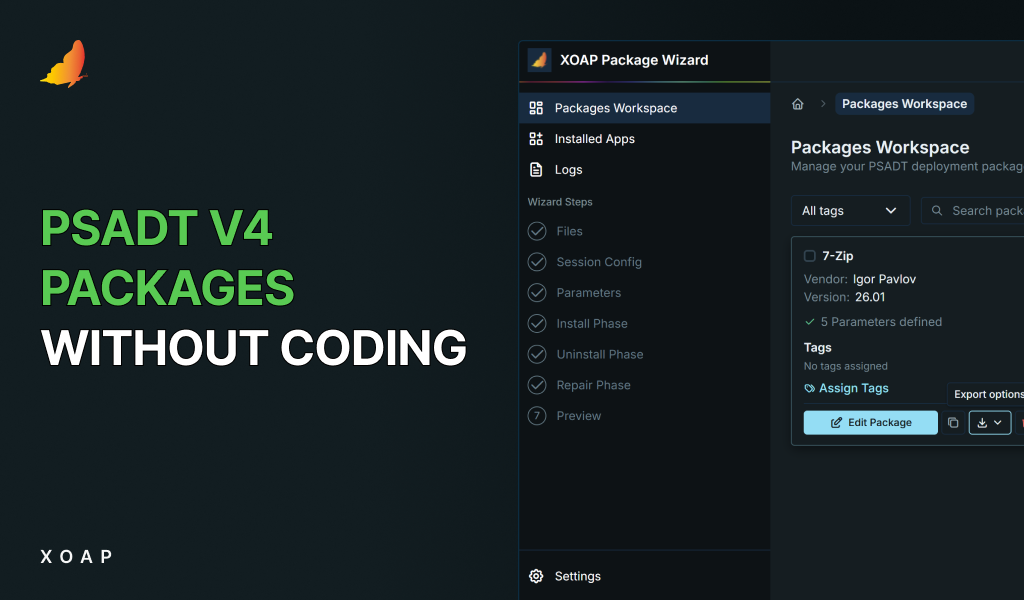
XOAP s'appuie sur PSAppDeployToolkit comme base et l'étend :
- Catalogue d'applications centralisé
- Déploiement multiplateforme
- Normes d'emballage cohérentes
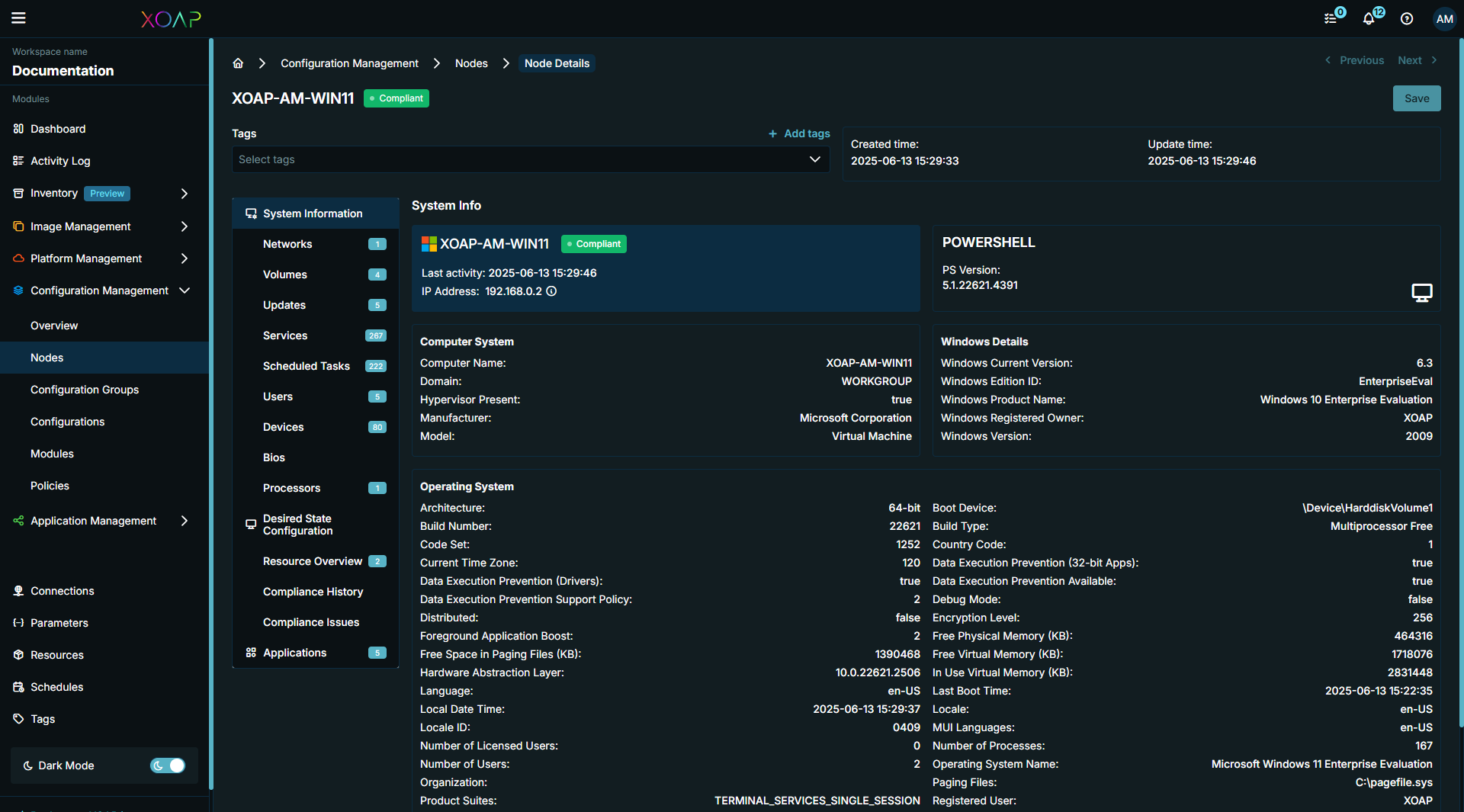
3. Configuration Management : une vue d'ensemble de tous les locataires
XOAP fournit :
- Gestion unifiée des politiques
- Inventaire logiciel dans tous les environnements
- Surveillance de la conformité
Fini les connexions à des locataires distincts pour assembler des informations.
La véritable opportunité pour les MSP
Le plus grand avantage est la différenciation du service. XOAP introduit un modèle en couches :
- XOAP gère l'automatisation et l'orchestration
- Les MSP construisent des services sur mesure
Cela vous permet de :
- Définissez vos propres niveaux de service
- Intégrer la gestion AVD comme une offre premium
- Fournir des résultats cohérents et évolutifs
Au lieu de vendre des outils, vous livrez une expérience gérée.
Exemple concret : Avant vs après
Avant (pile héritée) :
- SCCM + scripts + outils Azure
- Pipelines d'images manuelles
- Visibilité fragmentée
- Frais d'exploitation élevés
Après (unifié avec XOAP) :
- Plateforme unique pour la gestion du cycle de vie
- Image + application automatiséesdemande flux de travail
- Surveillance centralisée
- Évolutif entre les locataires
Dernières réflexions
Le problème ne vient pas du principe « Azure Virtual Desktop », mais des approches de gestion obsolètes. Si votre équipe continue à combiner Microsoft SCCM, Microsoft Deployment Toolkit et des scripts personnalisés pour gérer des environnements cloud modernes, vous vous imposez une complexité inutile.
Commencez à explorer un meilleure façon de gérer les environnements Azure avec XOAP. Créez votre compte gratuit et voyez comment l'automatisation unifiée change votre modèle opérationnel.