
Table des matières
Whether you’re launching a startup, modernizing enterprise systems, or running mission-critical workloads, the debate around cloud providers and traditional infrastructure continues to evolve.
In this discussion, we’ll compare Amazon Web Services, Microsoft Azure, and Google Cloud Platform with on-premises infrastructure and hybrid environments, and explore where each approach makes the most sense.
Choosing an infrastructure strategy isn’t just a technical decision — it’s a financial and operational one. The wrong choice can lead to unexpected cloud costs or the quieter but equally costly problem of innovation stagnation in on-premises environments.
The rise of cloud computing
Over the past decade, cloud computing has changed how companies build and scale software. Instead of buying servers and setting up physical data centers, teams can deploy infrastructure globally in minutes. You can scale up during peak demand and scale down when traffic drops. That flexibility has lowered the barrier to innovation.
But cloud is not automatically the best answer for every workload. Some systems require strict control, consistent latency or regulatory isolation. The right decision depends on what you are running and why.
Amazon Web Services (AWS)
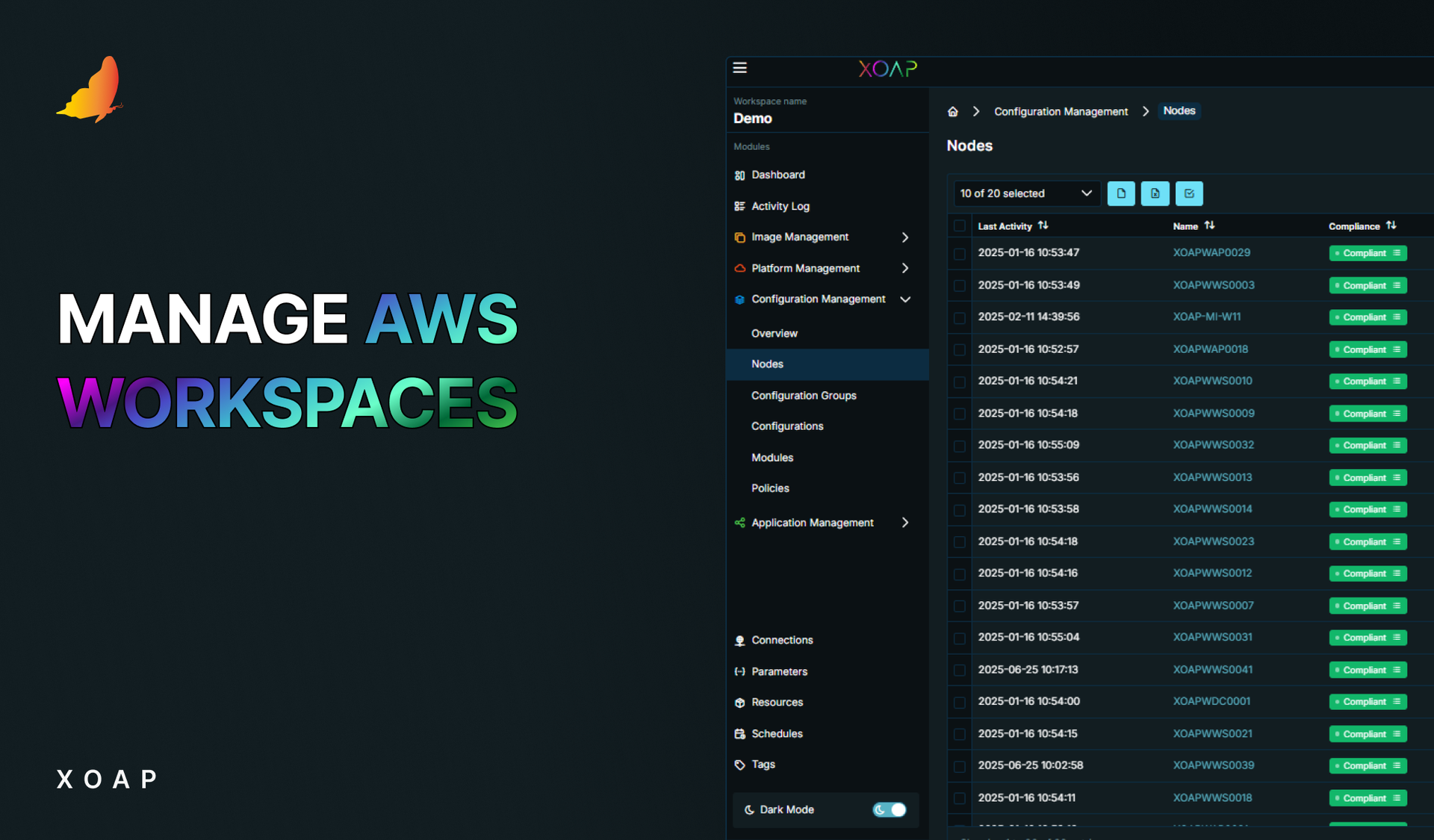
AWS is the most mature and widely adopted cloud provider. It offers an enormous range of services, from compute and storage to AI, analytics and serverless tools. For startups and fast growing SaaS companies, AWS often becomes the default choice because it makes rapid scaling straightforward.
Its global footprint is a major advantage for products with users across different regions. You can deploy close to customers without building physical infrastructure yourself.
The tradeoff is complexity. With so many services and pricing options, costs can become difficult to manage without strong governance. Teams need clear architecture standards and active monitoring. When managed well, AWS delivers unmatched flexibility.
Suggested read: How to automate AWS without using Terraform
Microsoft Azure
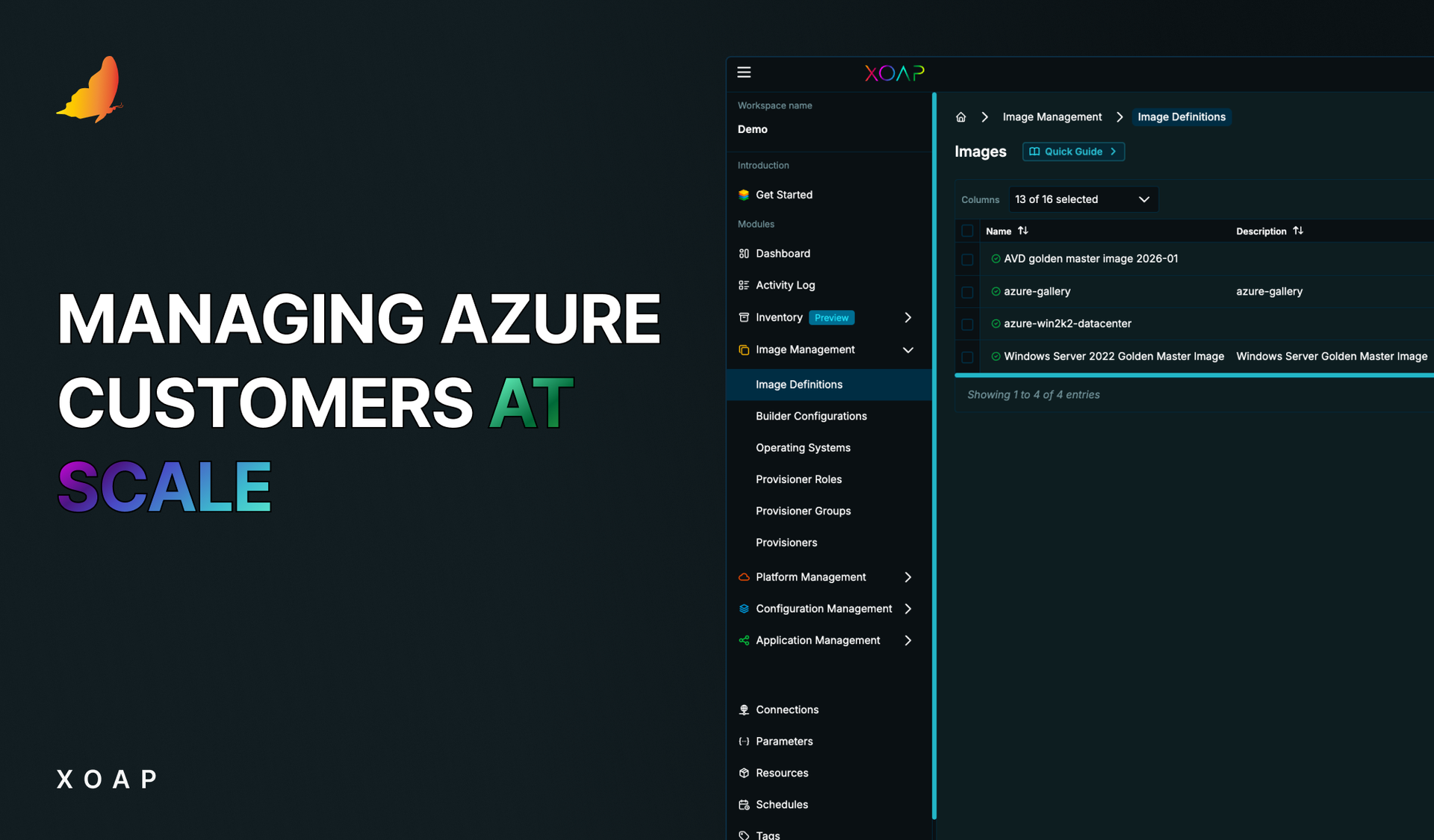
Azure is especially strong in enterprise environments. Organizations that already rely on Windows Server, Active Directory or Microsoft 365 often find Azure a natural extension of their existing setup.
One of Azure’s biggest strengths is hybrid capability. Many enterprises are not starting from scratch. They have legacy systems, internal applications and compliance requirements that cannot simply be moved overnight. Azure allows businesses to connect on-prem systems with cloud services in a structured way.
While some niche services may not feel as deep as AWS, Azure works extremely well for companies modernizing existing infrastructure rather than building entirely cloud-native platforms from day one.
Google Cloud Platform (GCP)
GCP stands out for its strength in data, analytics and containers. It reflects Google’s background in running large scale distributed systems. For companies building analytics heavy platforms or AI driven applications, GCP can be very attractive.
Its Kubernetes capabilities are widely respected and its global network performance is strong. Engineering focused teams often appreciate the simplicity and performance orientation of its services.
GCP has traditionally had a smaller footprint in large legacy enterprises compared to AWS and Azure. But for modern, data centric architectures, it is a serious contender.
Traditional on premises infrastructure
On-premises infrastructure means you own and manage your own servers, storage and networking equipment. You control the hardware, the security policies and the physical access.
For highly regulated industries or systems that require strict data residency, this level of control can be critical. It can also make sense for stable workloads that do not fluctuate much over time.
The downside is limited elasticity. Scaling requires buying and installing new hardware. There is also ongoing maintenance, refresh cycles and operational overhead. It demands long term planning and capital investment.
Hybrid infrastructure as a practical option
Hybrid infrastructure combines on-prem systems with one or more cloud providers. Instead of choosing one side, companies design around workload needs.
For example, sensitive databases may remain on-prem to meet compliance and governance standards, while customer-facing applications run in the cloud to benefit from elasticity and global reach. Analytics workloads can scale into the cloud during peak processing periods and scale back when demand drops.
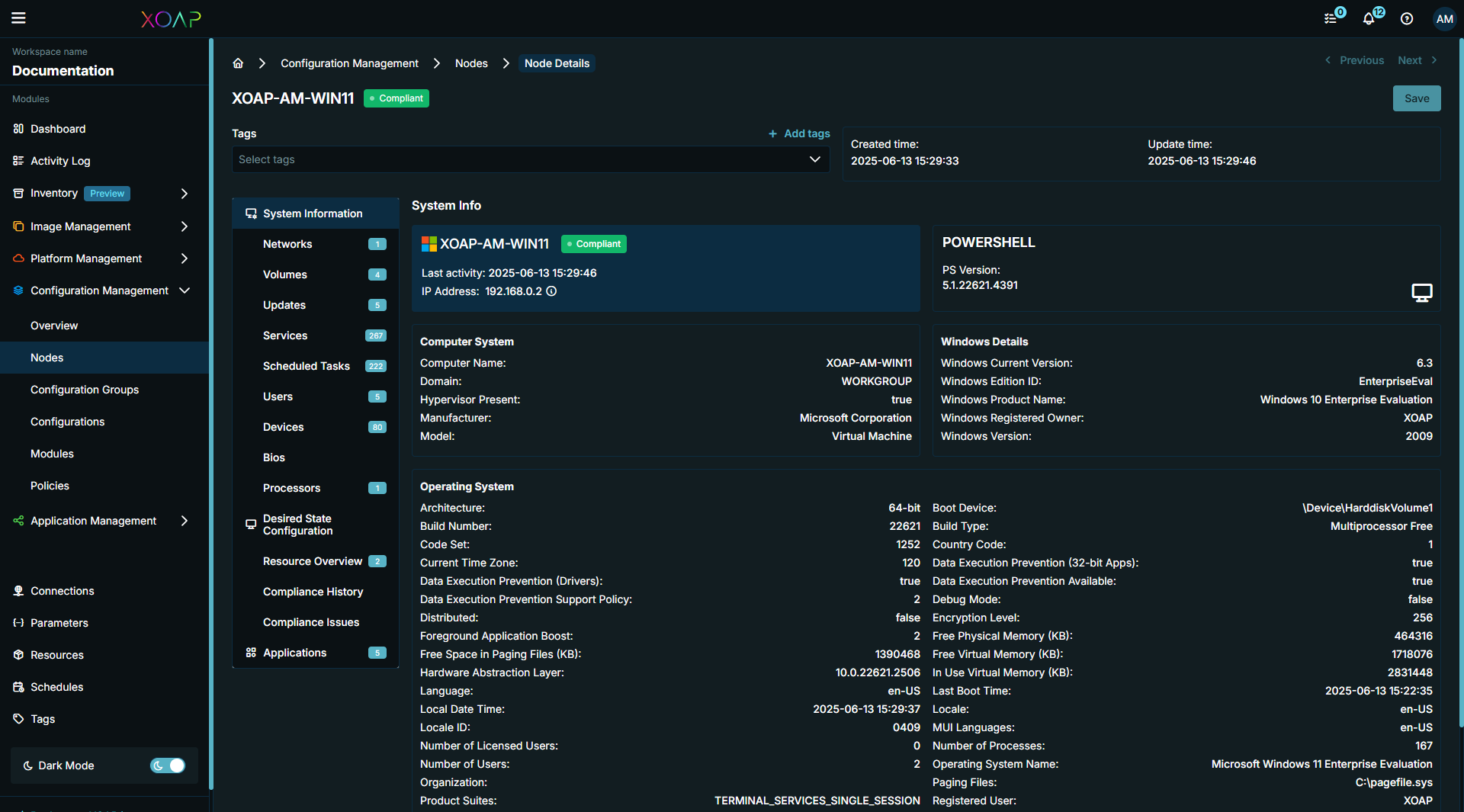
XOAP follows this kind of hybrid approach. It helps organizations standardize, secure and automate infrastructure across on-prem and cloud environments. Rather than treating each platform separately, the focus is on creating consistent processes, governance and operational controls across the entire environment. This approach improves visibility and maintains security standards while allowing workloads to run in the environment that best fits their requirements.
Cost considerations
Cloud platforms operate on a pay as you go model. This reduces upfront investment and allows faster experimentation. However, without monitoring and discipline, operational costs can grow quickly.
On-prem infrastructure requires capital investment upfront. Over time, that can lead to predictable cost structures for steady workloads, but it reduces flexibility when demand changes. Hybrid models blend both approaches. Some costs remain fixed and predictable, while others scale with usage.
Choosing infrastructure that works for you
There is no single winner in the AWS vs Azure vs GCP vs on-prem discussion. Each model reflects a different balance between control and scalability.
AWS offers unmatched breadth and global reach. Azure aligns well with Microsoft centric enterprises and hybrid environments. GCP excels in data intensive and cloud native architectures. On-prem remains relevant where compliance, latency and control are non negotiable. Hybrid infrastructure brings these worlds together in a practical way.
The real advantage comes from workload driven decisions. When infrastructure is aligned with business goals rather than trends, it becomes a competitive strength rather than just a technical choice.